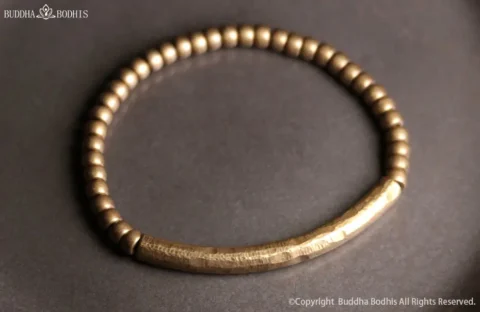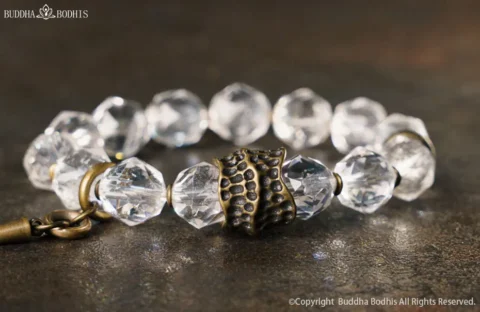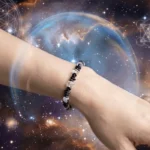



A Wrist Mala is a portable version of traditional Buddhist prayer beads, designed to be worn on the pulse to serve as a constant “bell of mindfulness.” People search for these sacred items to find a way to stay grounded while navigating a busy modern life. The core Wrist Mala Meaning: Carrying Mindfulness on Your Pulse represents a deep commitment to stay present, compassionate, and grounded throughout all of your daily transitions. These tools offer a physical anchor for your intentions, helping you bridge the gap between a quiet meditation space and the chaotic outside world. Our team at Buddha Bodhis has found that keeping these beads close to your skin provides a gentle, tactile reminder to breathe during stressful moments.
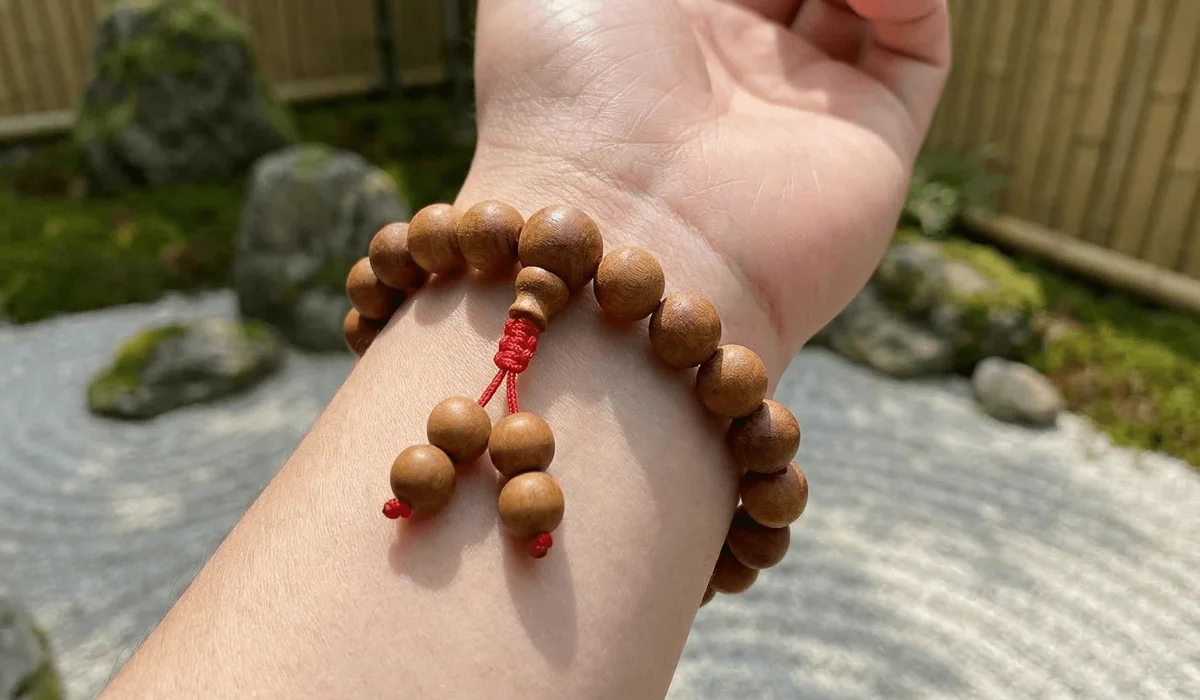
- The wrist mala serves as a convenient mantra counting tool for spiritual practice anywhere.
- Common bead counts like 18 or 27 are sacred divisors of the traditional 108.
- Materials like sandalwood wrist mala strands offer aromatic benefits for calming the mind.
- Wearing beads on the pulse point helps maintain a state of intentional living.
- These bracelets act as a spiritual grounding cord during hectic daily routines.
What is the Wrist Mala Meaning: Carrying Mindfulness on Your Pulse?
Definition and Purpose
A Tibetan wrist mala is a smaller adaptation of the full 108-bead necklace, specifically designed for portability and ease of use. It serves as a meditation bracelet that allows for the recitation of mantras in shorter cycles, making spiritual practice accessible during travel or work. The physical presence on the wrist acts as a sensory anchor, reminding the wearer of their personal vows or spiritual goals. In our experience, the gentle weight of the beads against the pulse helps keep the mind from wandering too far into future worries.
Origin and Traditional Materials
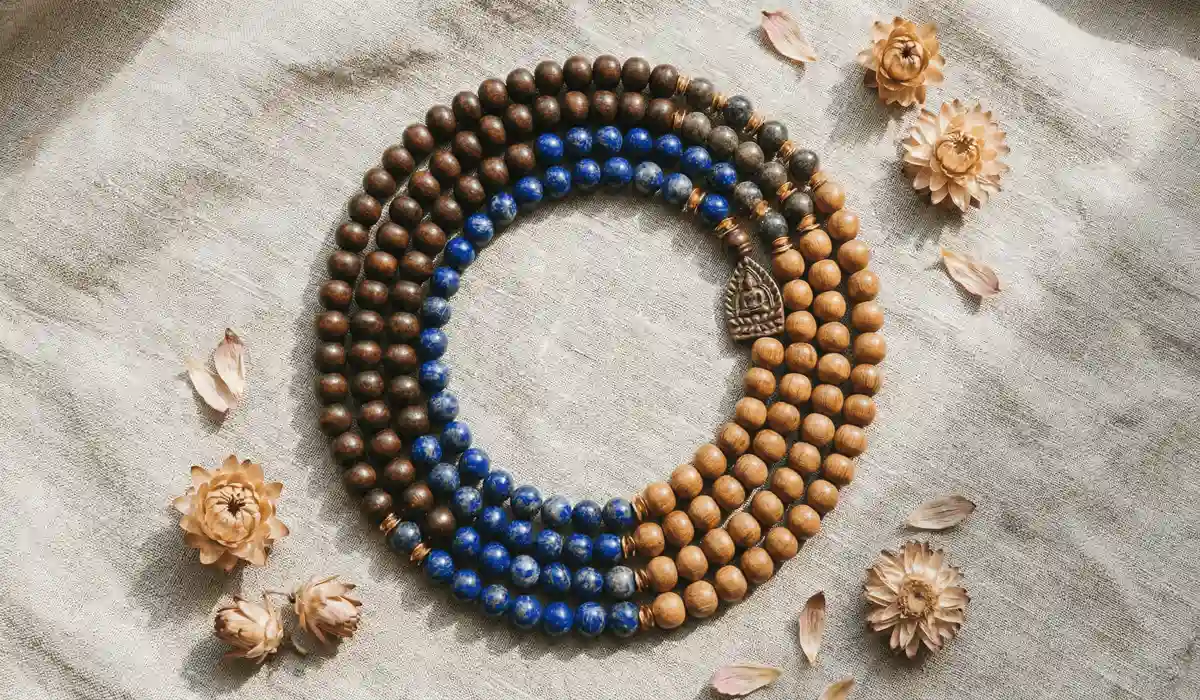
Deeply rooted in the bracelet mala tradition, these items originated in ancient India and Tibet as essential tools for monks and laypeople alike. Common organic materials include bodhi seed beads (Bodhi), representing enlightenment, and sandalwood wrist mala beads, prized for their calming aromatic properties. Many modern practitioners prefer gemstone mala beads, choosing specific stones to align with their current spiritual intentions or energy needs. We often see practitioners choosing different materials based on the specific “Chi” (气) they wish to cultivate in their lives.
Basic Characteristics and Anatomy
A wrist mala includes a bead count significance where the number of beads, often 18, 21, or 27, is a divisor of the sacred number 108. It features a prominent “Guru Bead,” which serves as the starting and ending point for counting prayers. The beads are connected by a sacred cord meaning resilience and the interconnectedness of all living beings. This structure ensures that the tool is not just jewelry, but a functional object for spiritual work.
Spiritual Meaning & Symbolism
Traditional Symbolism
The circular shape of the mala represents the cyclical nature of life, known as Samsara (轮回), and the path toward liberation. Each individual bead represents a breath, a mantra, or a single step on the long journey toward mindfulness. The act of moving the beads with the thumb is a traditional method for focused spiritual grounding. According to the Online Encyclopedia Information, these traditions have been preserved for centuries across various cultures. We have observed that the repetitive motion of sliding beads can lower the heart rate during moments of high anxiety.
Guru Bead Symbolism
The guru bead symbolism represents the relationship between the student and the teacher, or the individual and the divine. It is traditionally never crossed during mantra recitation; instead, the practitioner turns the mala around to begin a new circuit. This bead serves as a “stoppage point” to pause and offer gratitude before continuing with daily tasks. It reminds us to honor those who have shared wisdom with us in the past.
Gemstone and Color Associations
Different gemstone mala beads carry varied traditional symbolic weights, such as Lapis Lazuli for wisdom or Rose Quartz for compassion. The colors of the cord and tassels often correspond to specific lineages or elemental energies like Earth, Water, Fire, Air, and Space. Material choice is often dictated by the specific “activity” or intention the practitioner wishes to cultivate. For example, some might choose an Amethyst Healing Jewelry piece to enhance their intuition and peace of mind.
Benefits & Intentions Associated with a Wrist Mala
Commonly Associated Intentions
Many people use their beads for cultivating a state of intentional living by setting a specific “sankalpa” (intention) into the beads each morning. This practice can enhance a sense of energy protection by creating a symbolic boundary of peace around the wearer. The tactile sensation of the beads against the skin also supports patience and emotional regulation throughout the day. We suggest picking an intention that feels personal and reachable to help the practice stick.
Mindfulness & Personal Practices
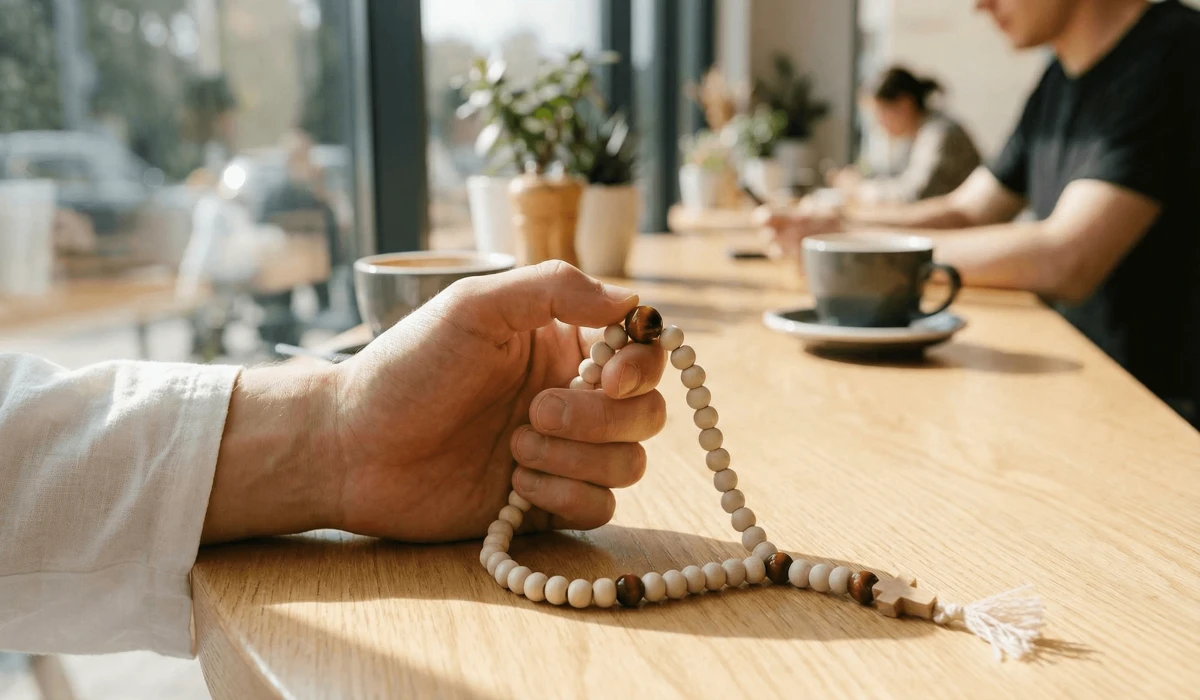
Using the beads as a mantra counting tool keeps the mind occupied with positive affirmations during stressful moments. They provide a “grounding cord” during transitions, such as commuting or moving between difficult meetings. This practice strengthens the mind-body connection by focusing on the sensation of the beads right at the pulse point. Our customers often tell us that simply touching their mala helps them remember to take a deep breath during a long commute.
How to Wear a Wrist Mala
Left Hand vs Right Hand (Traditional Logic)
In many traditions, the left hand is considered the “receiving” side, making it the preferred choice for those seeking to absorb the mala’s energy. The right hand is often viewed as the “giving” or “active” side, suitable for those projecting a specific intention into the world. Choosing which wrist to wear mala beads on is ultimately a personal decision based on your comfort and intuitive resonance. We recommend trying both sides to see which one feels more natural for your daily activities.
Intention-Setting Practices
Before putting the mala on, many practitioners hold it in both hands and breathe quietly to center themselves. Silently reciting a primary mantra once for each bead can help prepare the mala for the day ahead. Treating the mala with respect, such as removing it before sleep or bathing, is a common way to maintain its spiritual integrity. This ritual helps create a clear boundary between your spiritual practice and your ordinary tasks.
Finding Your Perfect Practice Tool
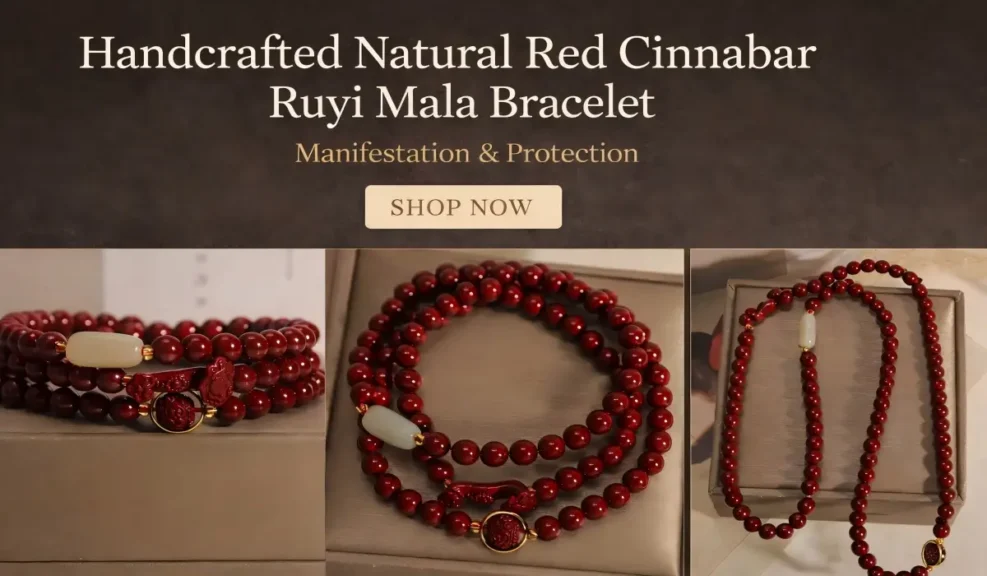
Selecting the right material and bead size ensures the mala feels comfortable on your pulse throughout the day. Exploring a variety of stones and woods can help you find a mala that mirrors your current path. We offer a wide variety of Handcrafted Prayer Bracelets designed to fit different styles and spiritual needs. Using high-quality materials ensures that your tool remains durable for years of meditation and mindfulness.
Wrist Mala vs Necklace: Choosing the Right Tool
When choosing between different styles, it helps to understand how they function in a daily practice. Below is a comparison of the two main types of mala tools:
| Feature | Wrist Mala | Full Necklace Mala |
|---|---|---|
| Bead Count | Usually 18, 21, or 27 | Always 108 |
| Primary Use | Daily wear and short mantras | Formal seated meditation |
| Portability | Very high, fits on wrist | Moderate, worn around neck |
| Visibility | Discreet and subtle | Prominent and heavy |
Difference Between Wrist Mala and Fashion Bracelet
A meditation bracelet is constructed with specific bead counts and traditional components like the guru bead and sacred knot. Fashion jewelry often lacks the structural intent required for counting mantras or traditional spiritual use. Authentic malas are typically made from sustainable, natural materials rather than synthetic or mass-produced plastics. To ensure you are getting quality stones, you might consult the Gemological Institute of America for more details on material authenticity. Our team meticulously sources every bead to ensure it meets traditional standards.
Who Is a Wrist Mala Suitable For?
Lifestyle & Personal Intentions
These tools are ideal for busy professionals who need a “touchstone” for wrist mala for focus and concentration during the workday. They are also beneficial for travelers who want to maintain their spiritual routine without carrying large ritual items. Anyone looking to transition from “fashion” accessories to items with deeper symbolic meaning will find them useful. We have found that parents also enjoy them as a way to stay calm during a busy family schedule.
Energy Alignment
Practitioners focused on specific chakra work may choose gemstones that correspond to the areas they wish to balance. Those seeking energy protection often gravitate toward darker woods or protective stones like Black Obsidian or Tiger’s Eye. Students of Buddhism or yoga who want to honor the lineage of their practice in a modern context will appreciate these tools. You can find more information about Natural Stone Properties to help you choose the right energy for your needs.
How to Cleanse, Charge, and Care for Your Wrist Mala
Cleansing Methods
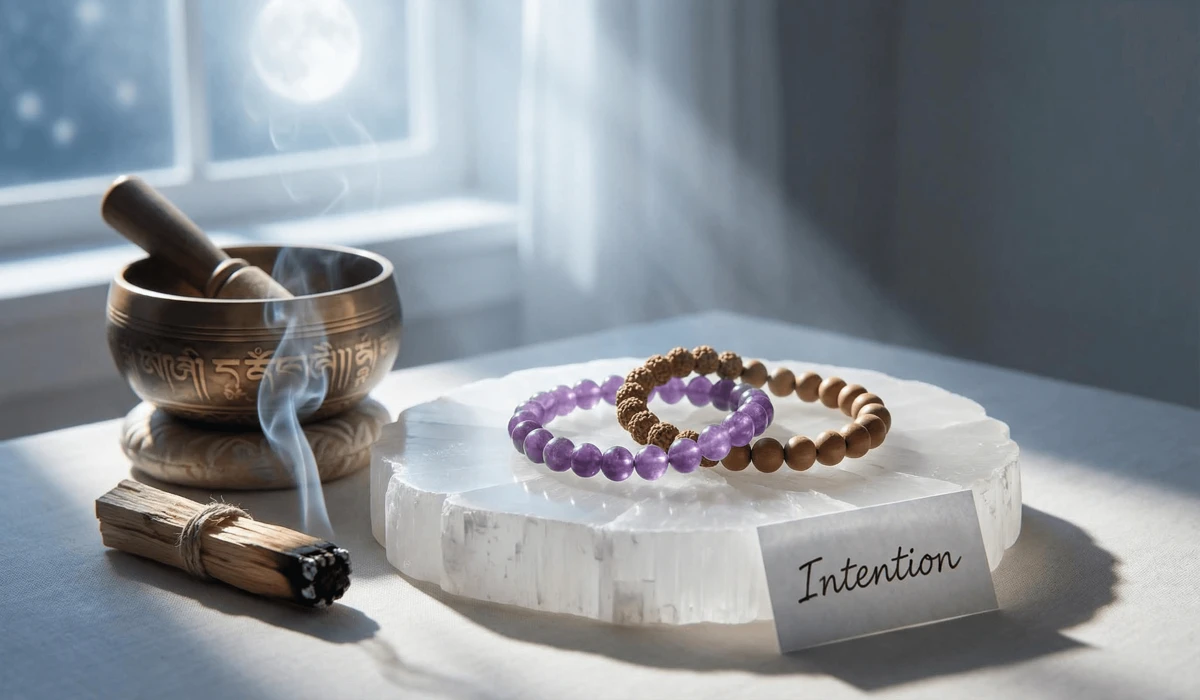
Gently wiping the beads with a damp cloth helps to remove natural oils and dust that accumulate from daily wear. Using sound, such as a Tibetan singing bowl, is a great way to clear the energy of the gemstone mala beads. You can also place the mala near a smudge stick like Sage or Palo Santo to refresh its spiritual resonance. According to the Professional Gemology Resources, keeping organic materials away from chemicals is vital for their longevity.
Charging Practices
Setting the mala in the light of the full moon is a popular way to “refresh” the stones’ natural properties. You might also place the beads on a Selenite plate or near a Clear Quartz cluster for energetic maintenance. Re-stating your intentions or mantras into the beads keeps the connection between you and your tool vibrant and strong. We find that doing this during a quiet evening helps reconnect us with our initial goals.
Daily Care & Storage
Avoiding contact with water, perfumes, or harsh chemicals is essential, especially for sandalwood wrist mala or bone beads. Storing the mala in a dedicated pouch or on a clean altar space when not in use helps preserve its energy. It is a good idea to check the sacred cord meaning—the physical thread—regularly for wear to ensure the beads remain secure. If the cord feels thin or frayed, it might be time to have it re-strung to avoid losing your beads.
Frequently Asked Questions
Q: Should I wear my wrist mala on the left or right hand?
A: Traditionally, many practitioners wear it on the left wrist as it is the “receiving” side for spiritual energy. However, there are no strict rules; you should choose the side that feels most comfortable and least distracting for your daily movements.
Q: Why are there 18, 21, or 27 beads in a wrist mala?
A: These numbers are all factors of 108, which is a sacred number in many Eastern traditions. Using these counts allows a practitioner to complete a full 108-count cycle by circling the wrist mala a specific number of times.
Q: What is the significance of the guru bead?
A: The guru bead represents the “Teacher” or the end of a mantra cycle, providing a tactile cue to stop and reflect. It is a symbol of gratitude and a reminder to remain humble on one’s spiritual path.
Q: How do I cleanse my wrist mala beads?
A: You can use smoke from incense, the sound of a bell, or simply place them in the moonlight to energetically refresh them. For physical cleaning, use a soft, slightly damp cloth, being careful not to soak wooden or seed beads.
Q: What is the spiritual meaning of a wrist mala?
A: It symbolizes the presence of the Buddha’s teachings or your own personal intentions “on your pulse.” It serves as a reminder that mindfulness is not just for the meditation cushion, but for every moment of life.
Conclusion & Gentle Next Step
The Wrist Mala Meaning: Carrying Mindfulness on Your Pulse is a beautiful way to integrate ancient tradition into a modern, fast-paced lifestyle. Whether used as a mantra counting tool or a simple reminder to breathe, these beads offer a path toward greater intentional living. By selecting the right materials—from bodhi seed beads to sandalwood—you create a personal sanctuary that travels with you. We invite you to explore our thoughtfully curated selection of handcrafted pieces to find the one that resonates with your journey. Discover the perfect anchor for your practice by browsing our full collection of Mindfulness Wrist Malas.
The information provided in this article is for informational and cultural exchange purposes only. It does not constitute medical, legal, financial, or other professional advice. Readers should consult with qualified professionals regarding any specific health or spiritual concerns.

Written by the Buddha Bodhis Team
Since 2020, we have been devoted to exploring traditional year-based wisdom, classical Feng Shui principles, and the rich spiritual symbolism rooted in Eastern cultural heritage. Our work bridges ancient metaphysical systems with modern life, interpreting annual cycles, elemental energies, and symbolic meanings to offer thoughtful insight and practical guidance. Through continuous research and practice, we aim to preserve traditional knowledge while making it accessible, relevant, and meaningful for contemporary seekers of balance, intention, and personal growth.
TikTok | YouTube | Pinterest | X
buddhabodhis@gmail.com